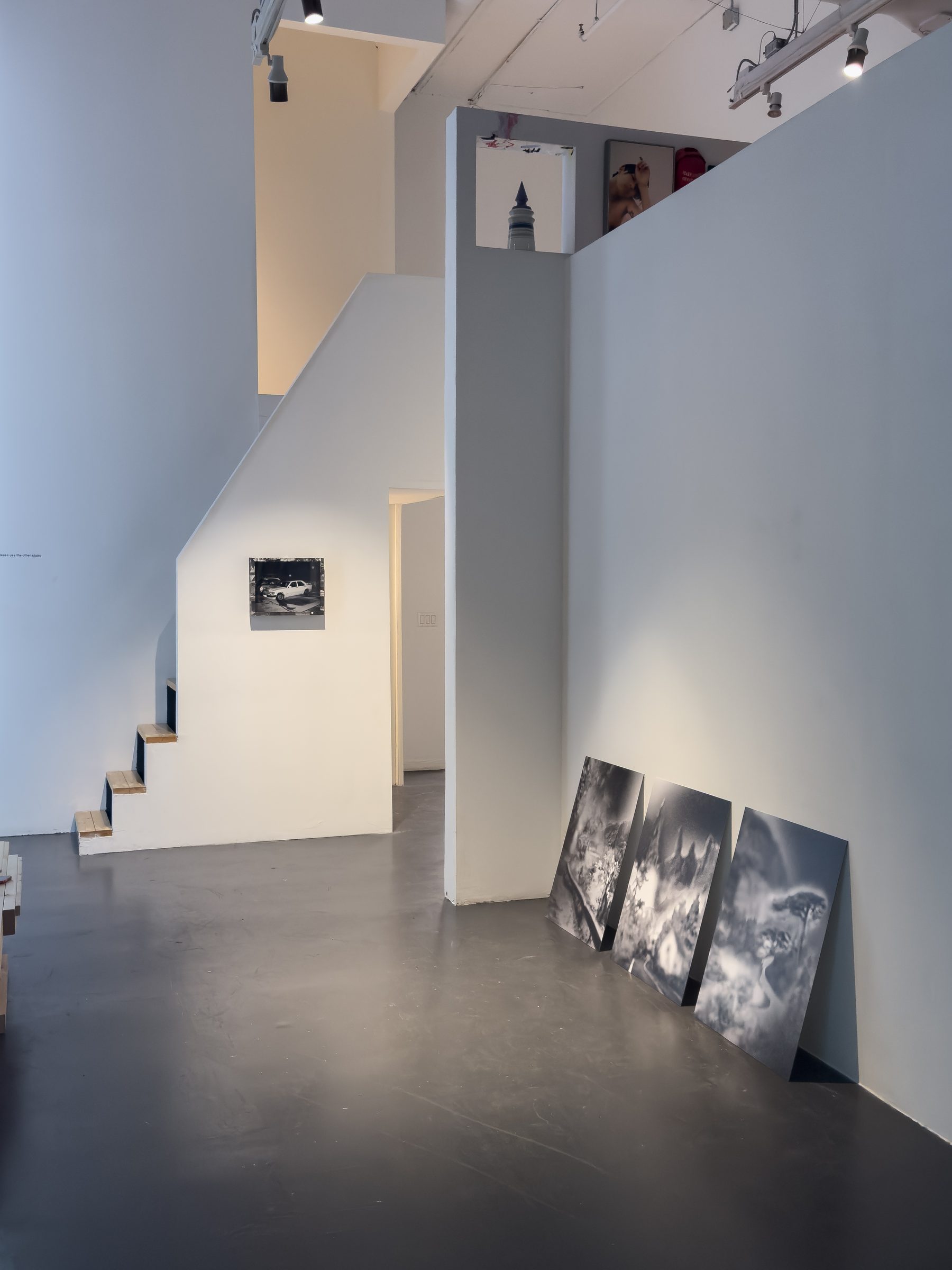
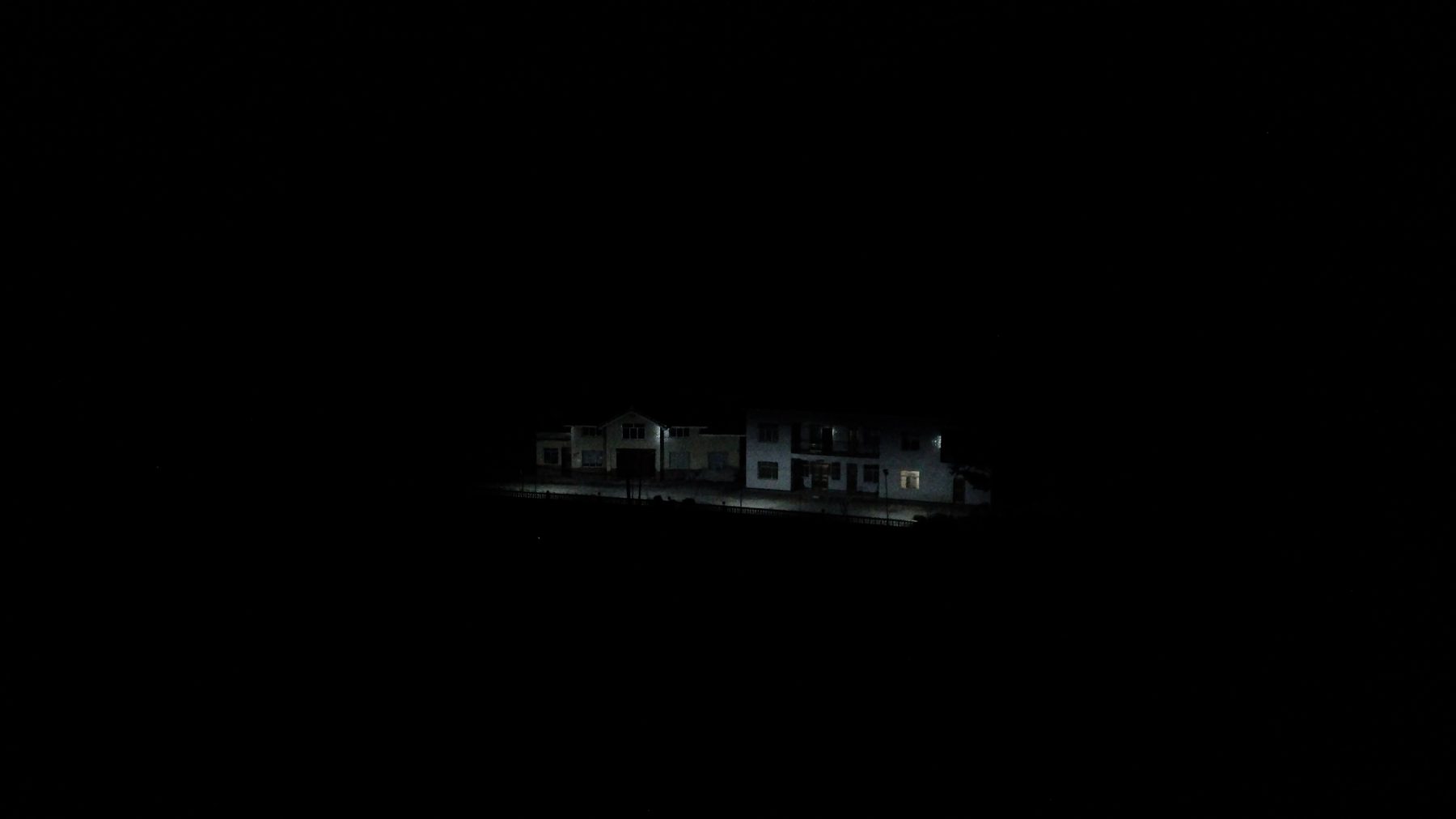
I was about three, I think. By then, my parents had been separated for as long as I could remember. I lived with my mother, though I sometimes stayed at my uncle’s place whenever my father was in town. It was a three-story red-brick apartment building just beside the textile apparatus factory my father owned. cross the road from the shuttle factory was the medicine factory he had owned too. One night, I was called over to my uncle’s place. My father was not there—only my uncle and several other men whose faces I no longer remember. The conversation seemed ordinary enough. Then, out of nowhere, they asked me if I wanted to go to Chengdu.
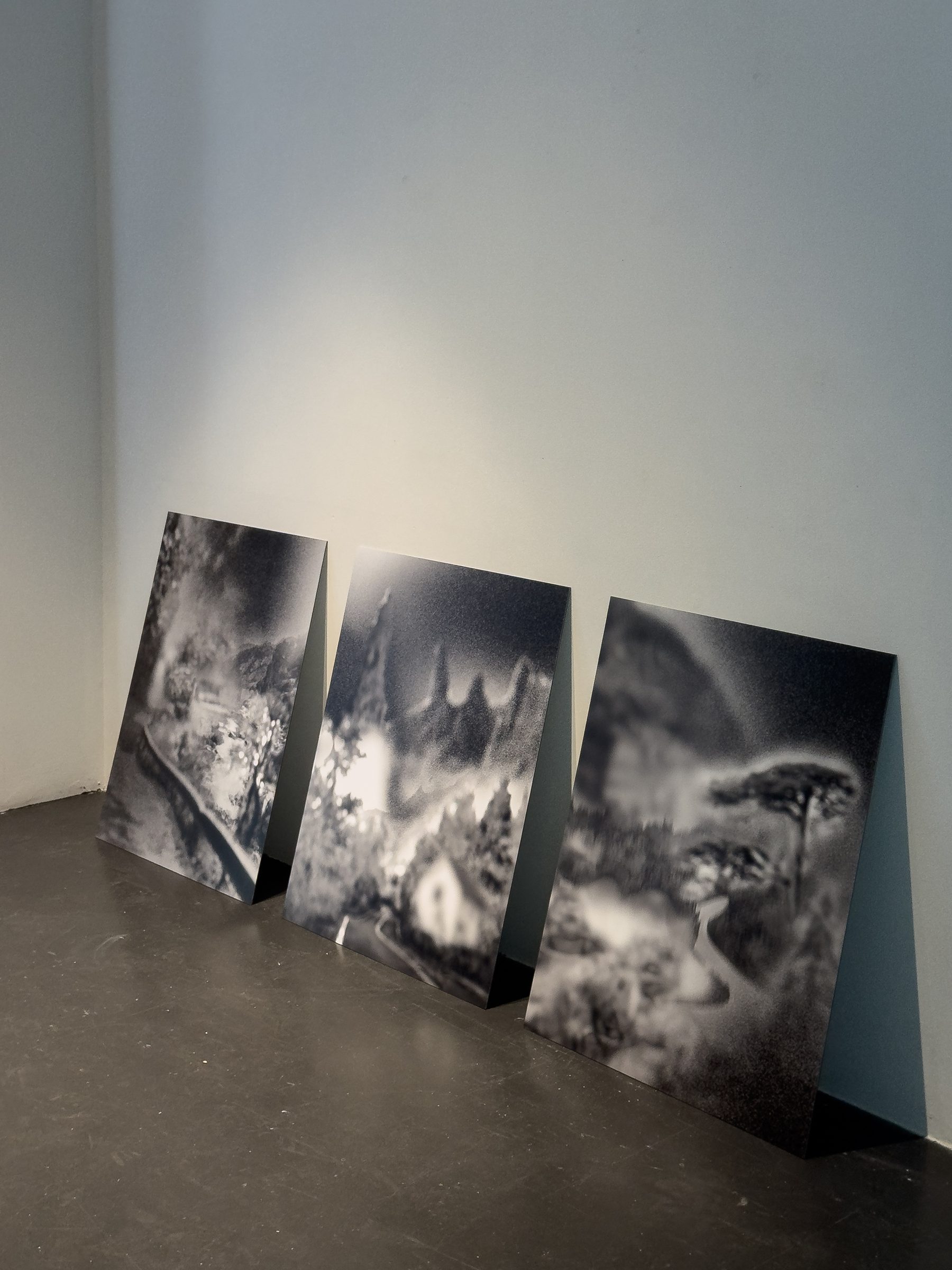
Chengdu was the biggest city I had ever been to by then. While my hometown had only one park in the town centre, Chengdu was full of amusement parks spread across its wide flat plain. I recall the overnight sleeper coach that my mother took me on to Chengdu to supply goods for her market stall. The sleeper coach was packed with bunks arranged in three narrow columns, and the two of us would squeeze onto a single bunk. By the time we arrived Chengdu at dawn, the bedding would be damp with my urine.
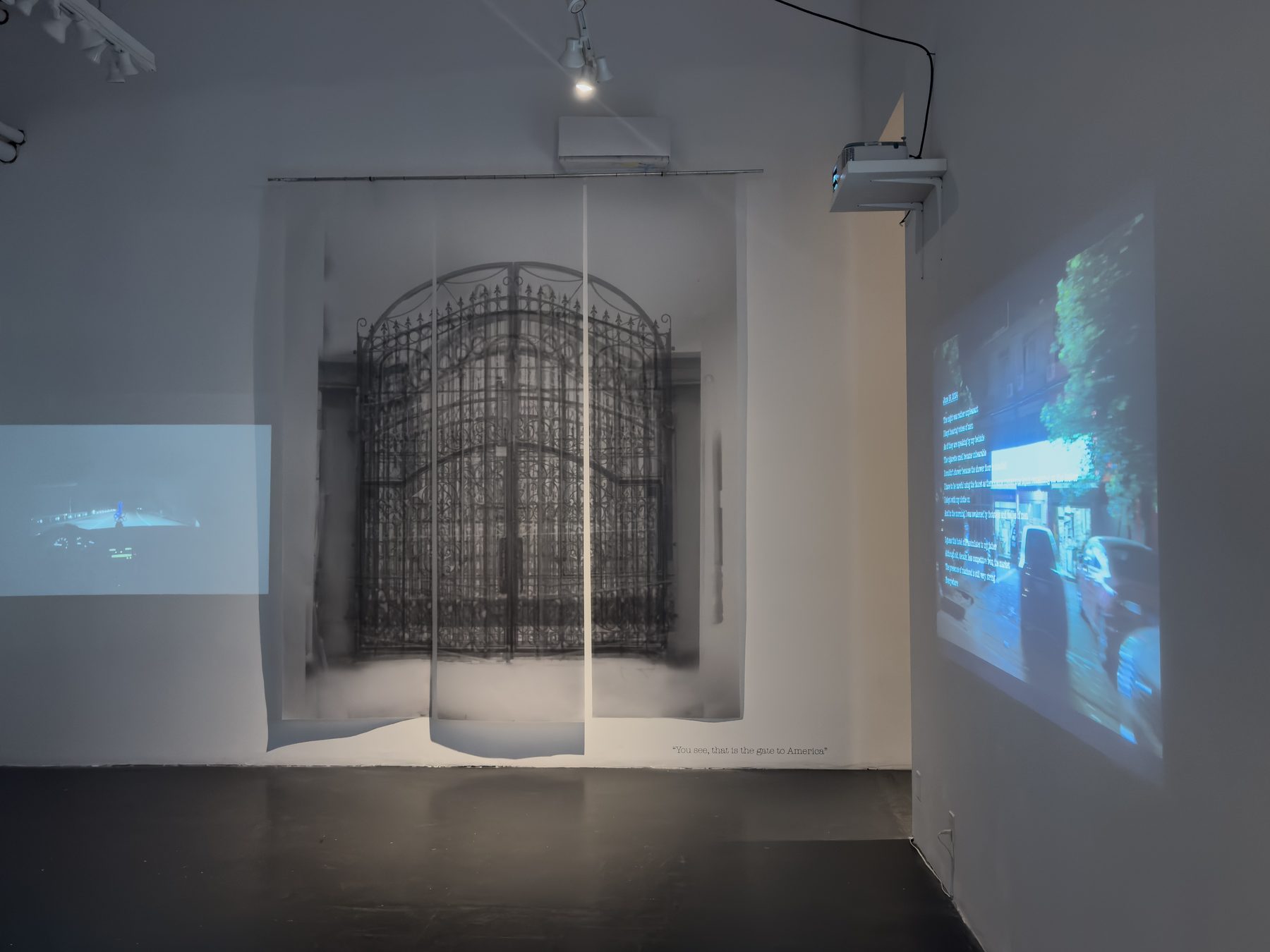
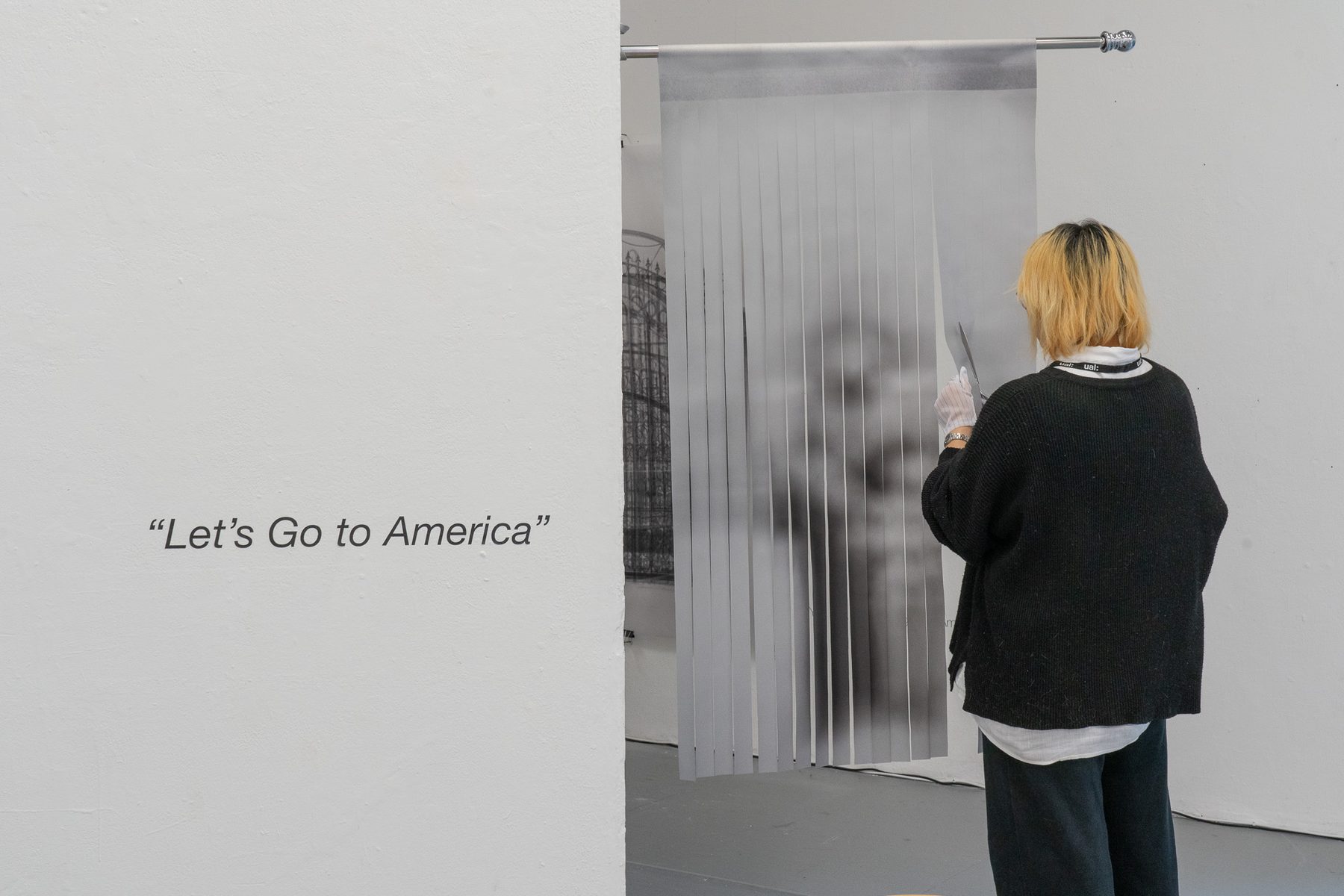
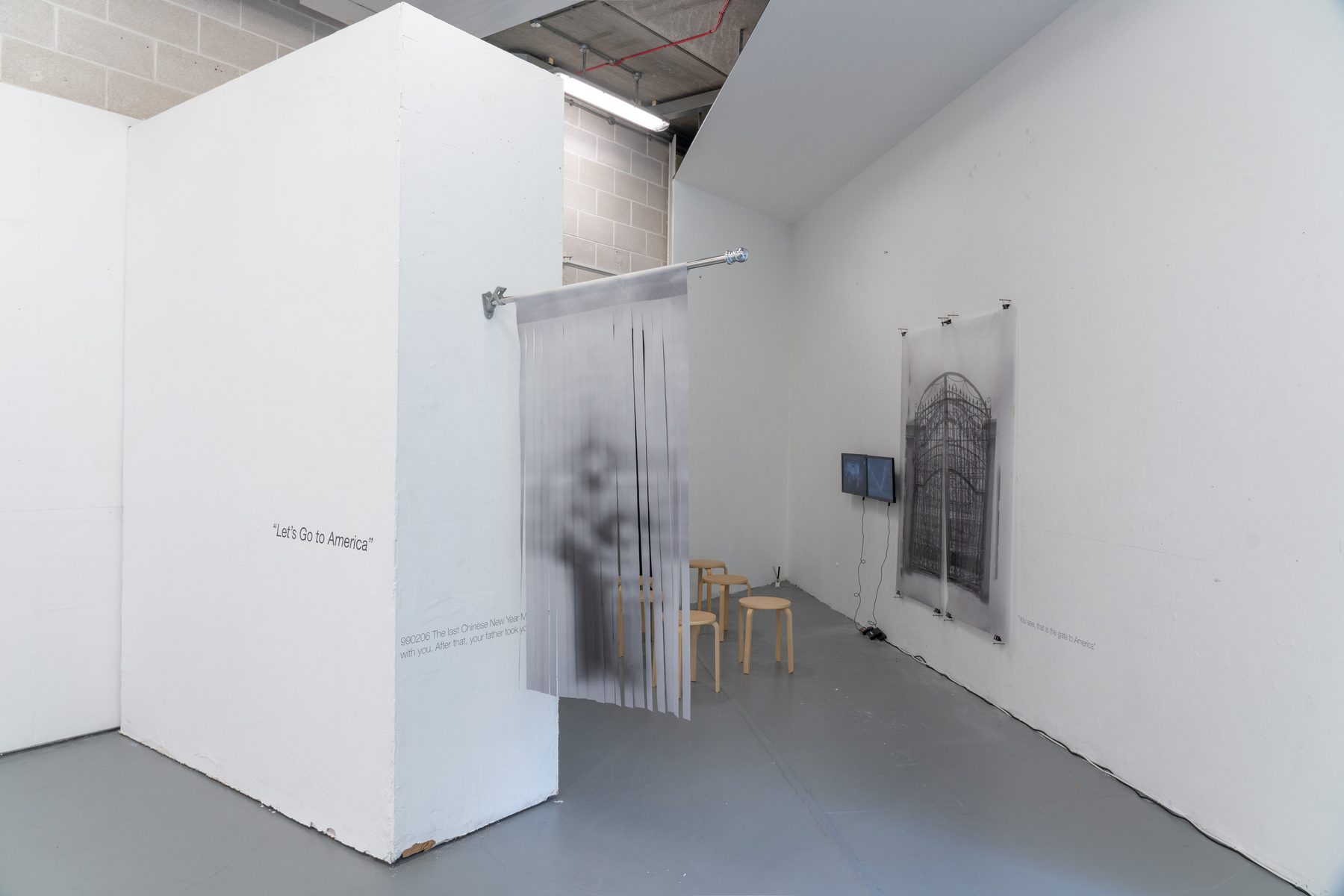
I said no. It sounded like one of those adult questions that was not really a question. For some reason, I said I wanted to go to America instead. “All right,” they said. “Let’s go to America.”
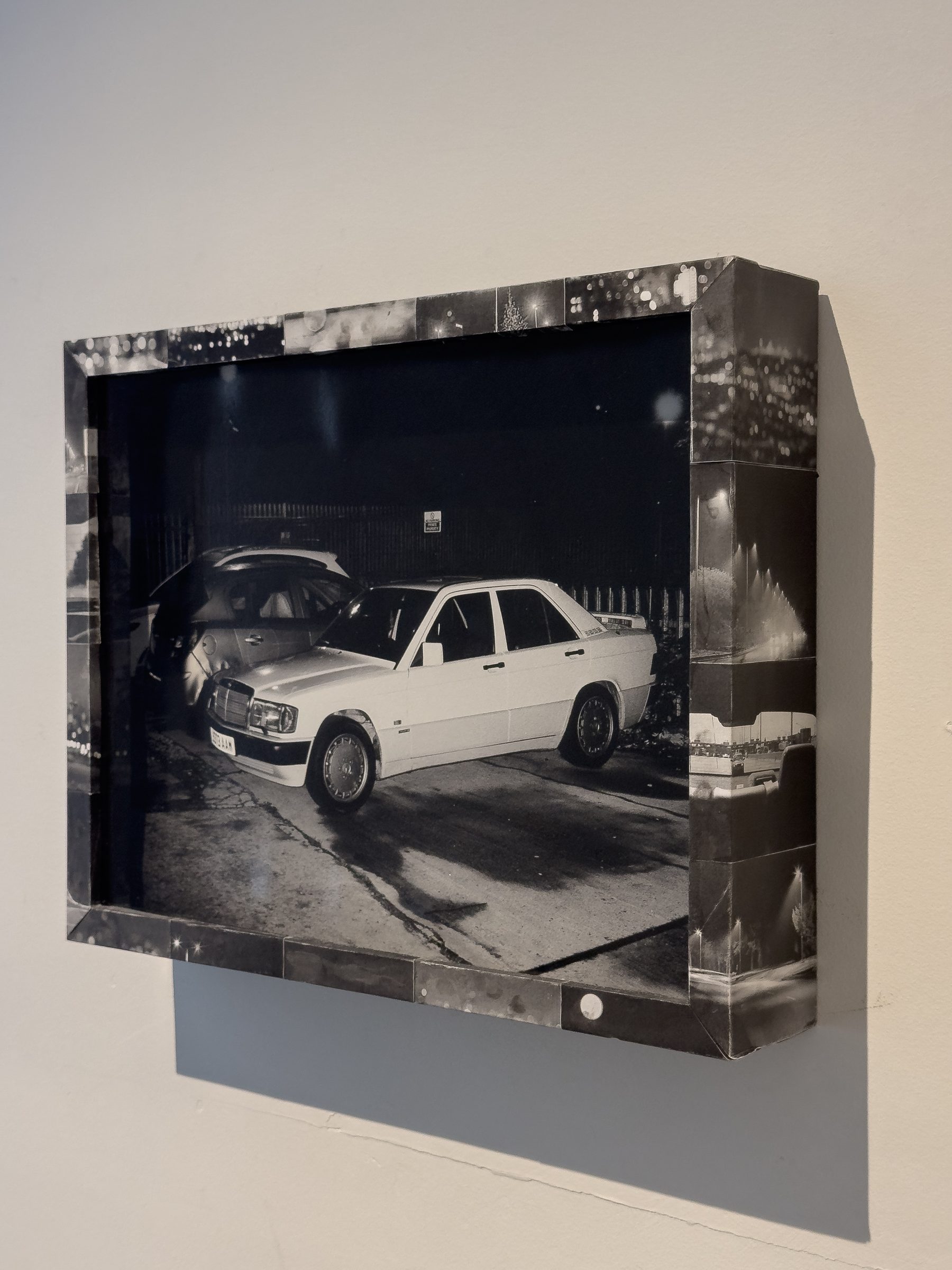
I still do not know why I said America. At that age, all the white faces on television looked the same to me. Perhaps I had picked up the word from the adults around me, who spoke it sometimes in mockery, sometimes in admiration. My father had once been one of the wealthiest men in town. I used to enjoy counting the cars my father owned: the Mercedes sedan, the Mitsubishi jeep, the Chevron minivan…from the back seat of my mother’s bicycle. To this day, I still remember the blackness, the cold air, and the smell of leather in his Mercedes sedan.
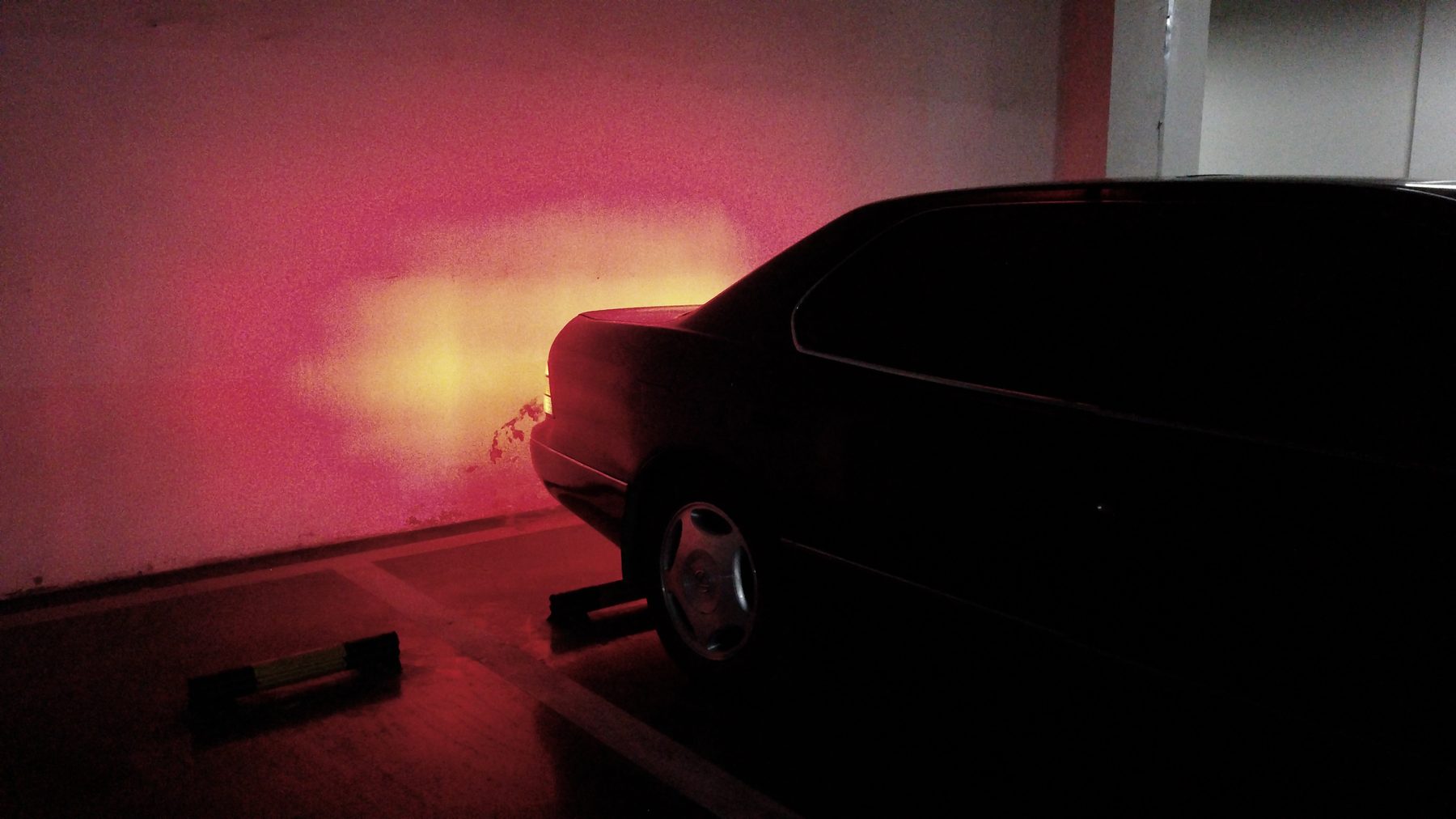
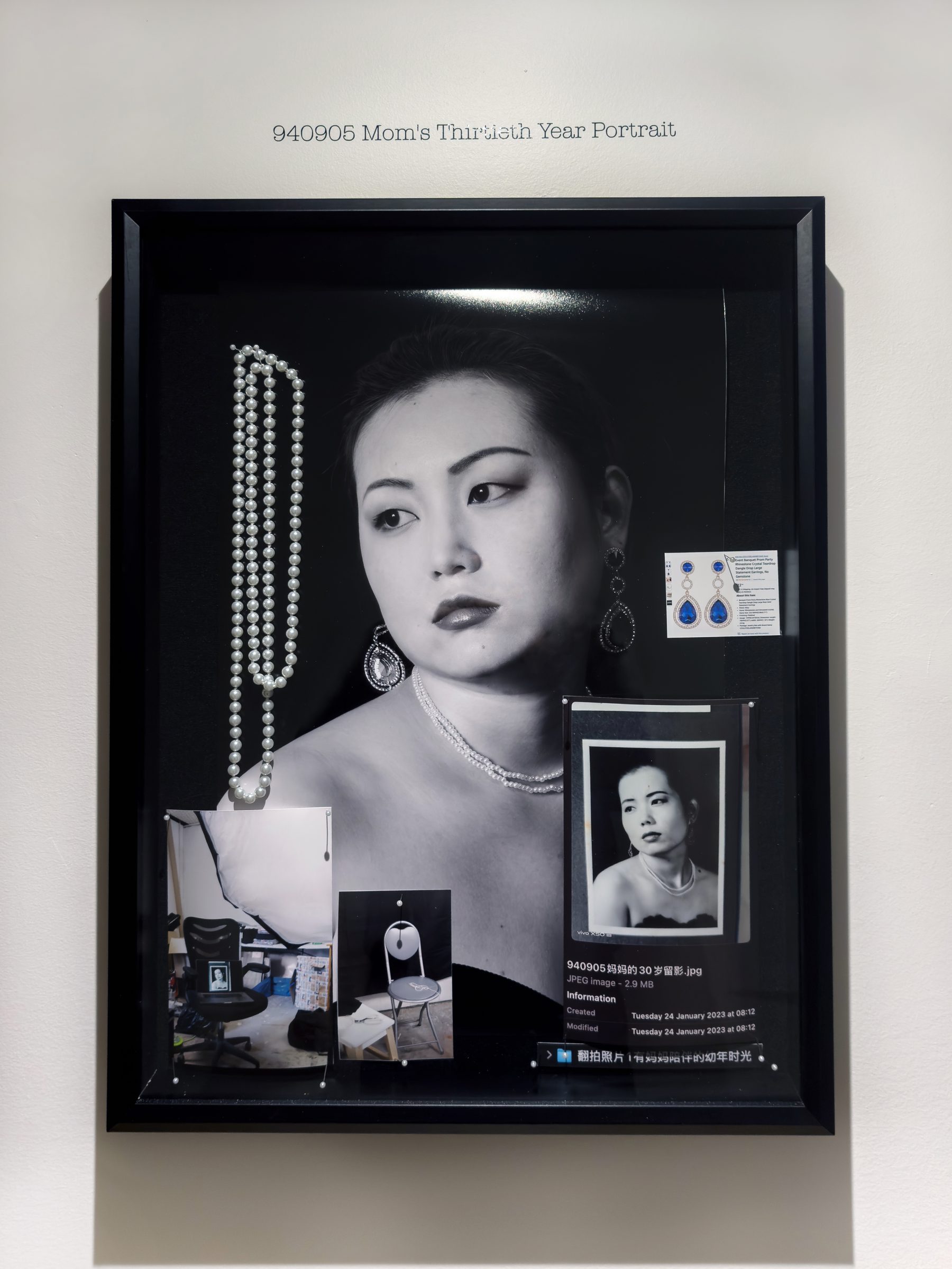
They bundled me into that Mercedes sedan and told me to call my mother to pack my things. I called. I usually struggle to recall many details from my childhood, I distinctly remember telling her to put more clothes on. It was a chilling night. The Mercedes stopped at the foot of the slope leading to the apartment where we lived. The hill was very steep. Whenever my mom rode up with me on her bike, we both had to get off and walk up.
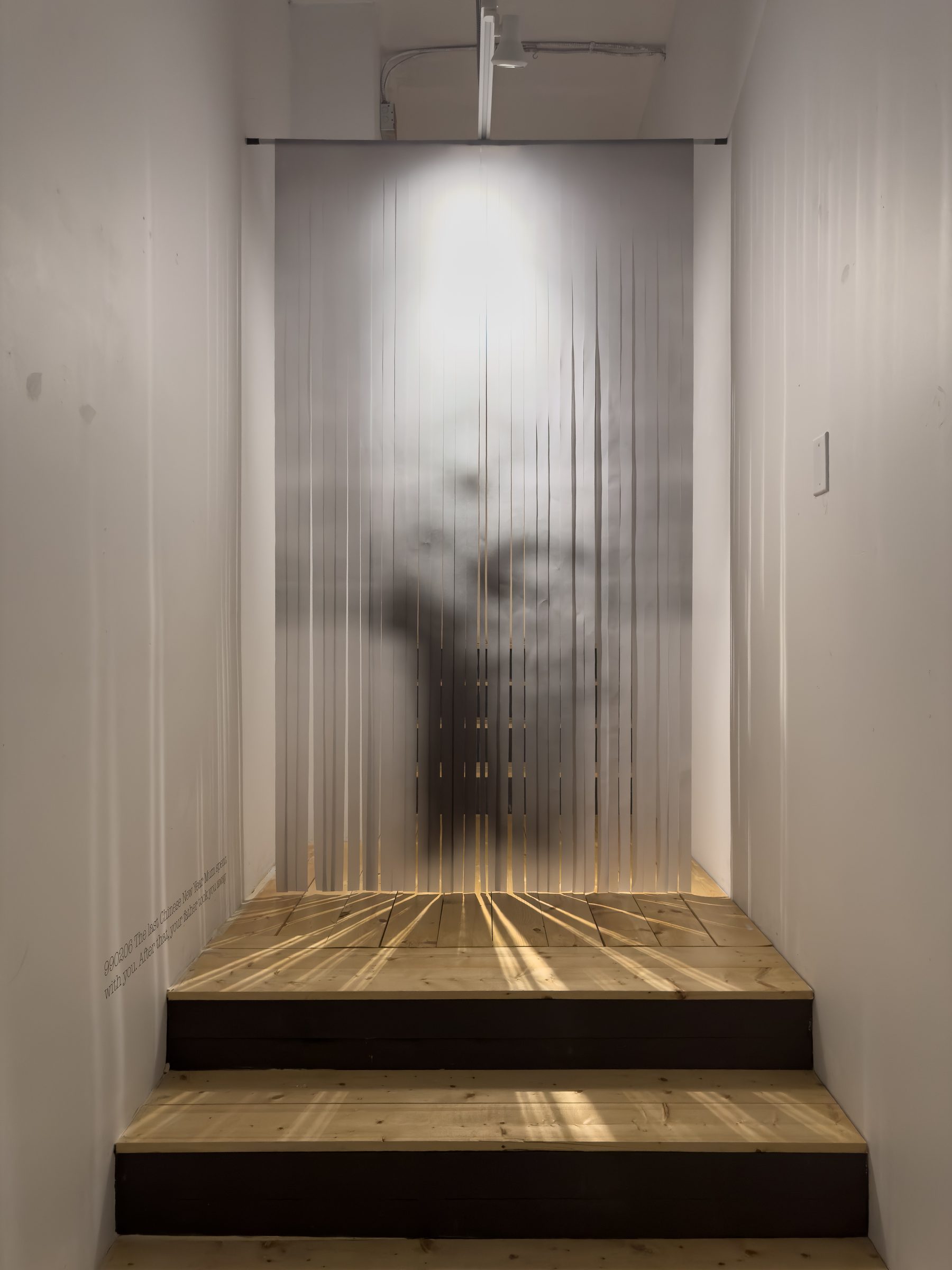
The next thing I remember was, as I looked out the back window of the Mercedes, her solitary silhouette illuminated by the streetlamp, standing in the quiet night. Or perhaps I didn’t look back at all. I guess some part of me was left behind there. I guess some part of her was left there too.
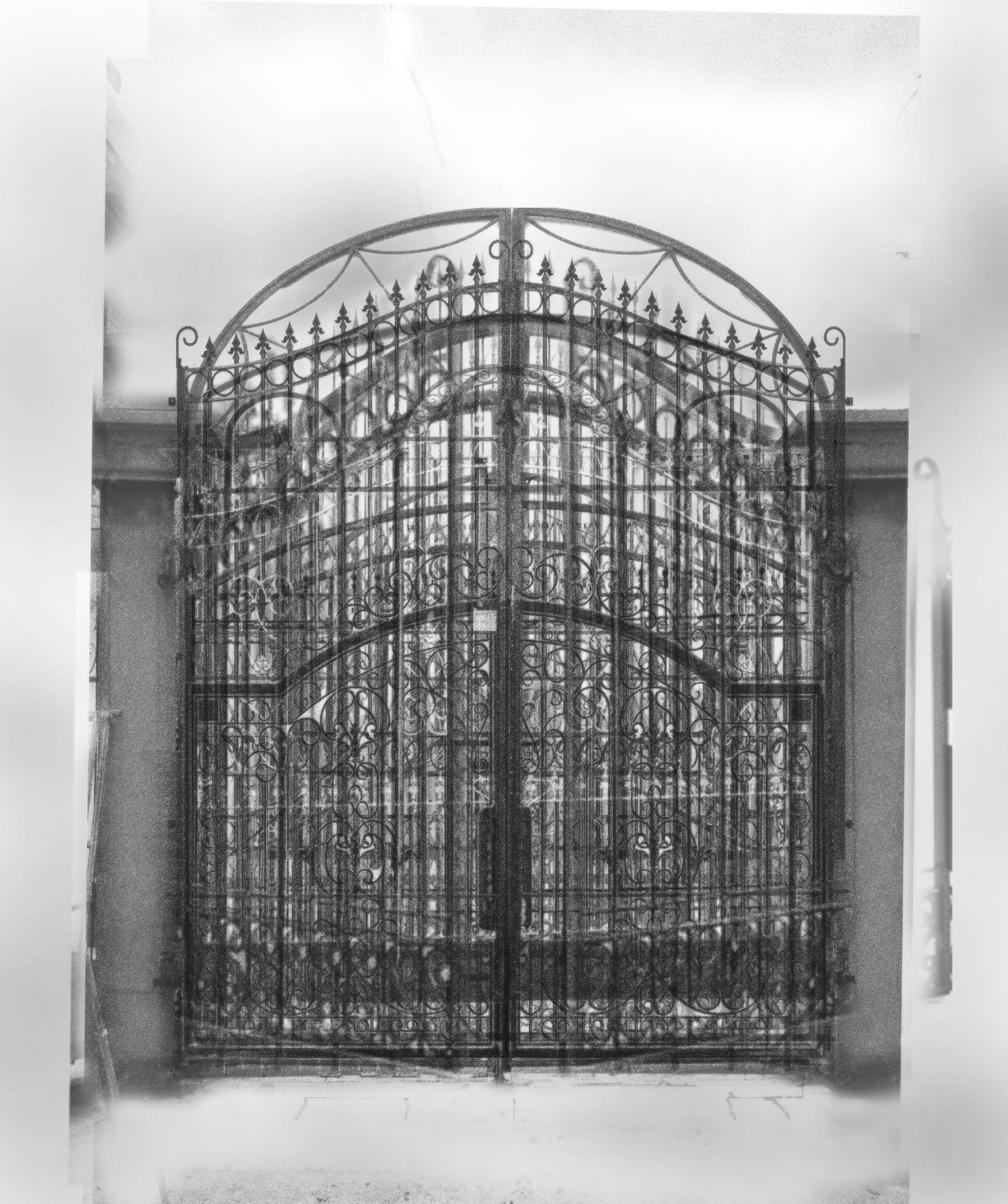
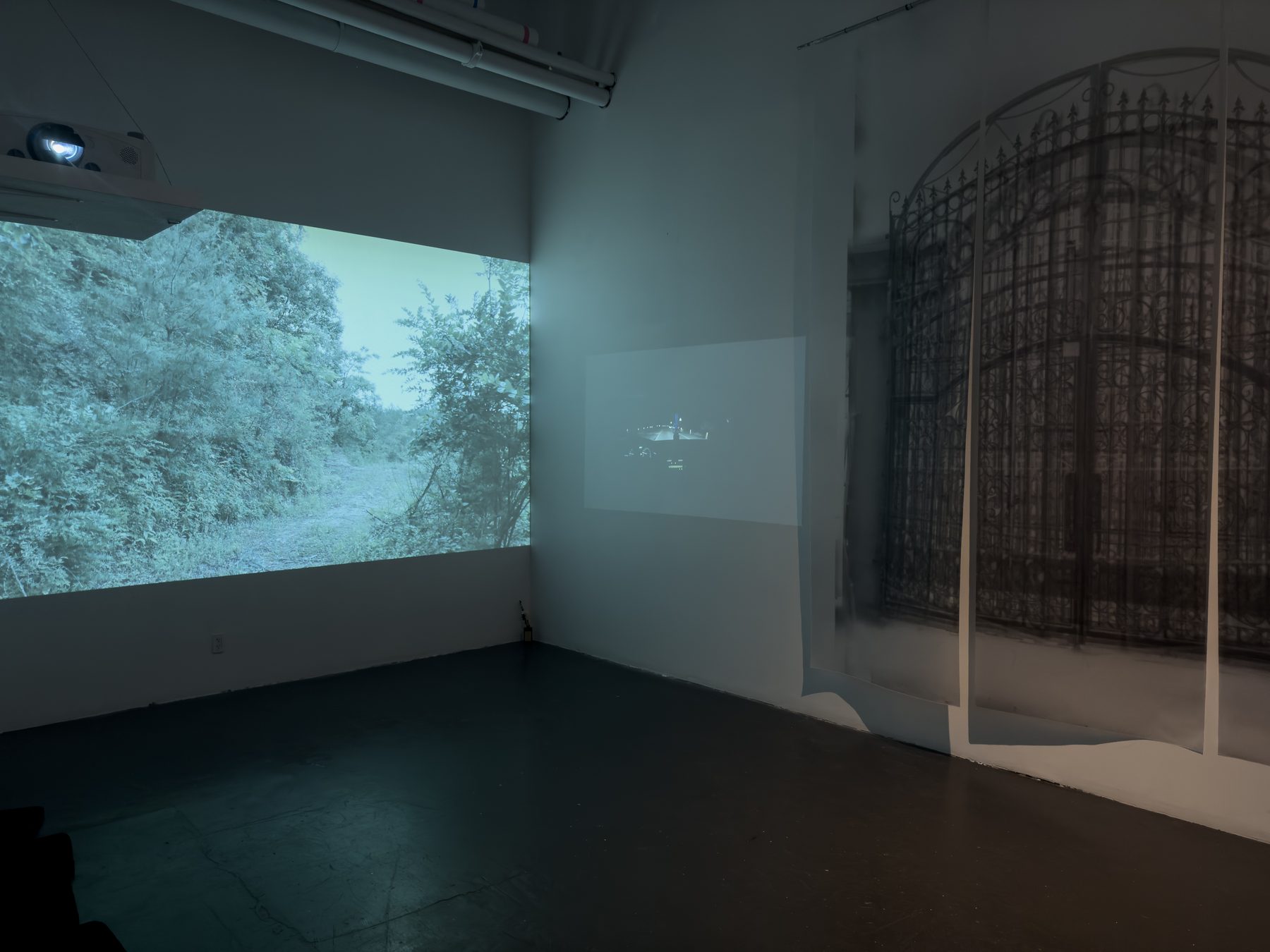
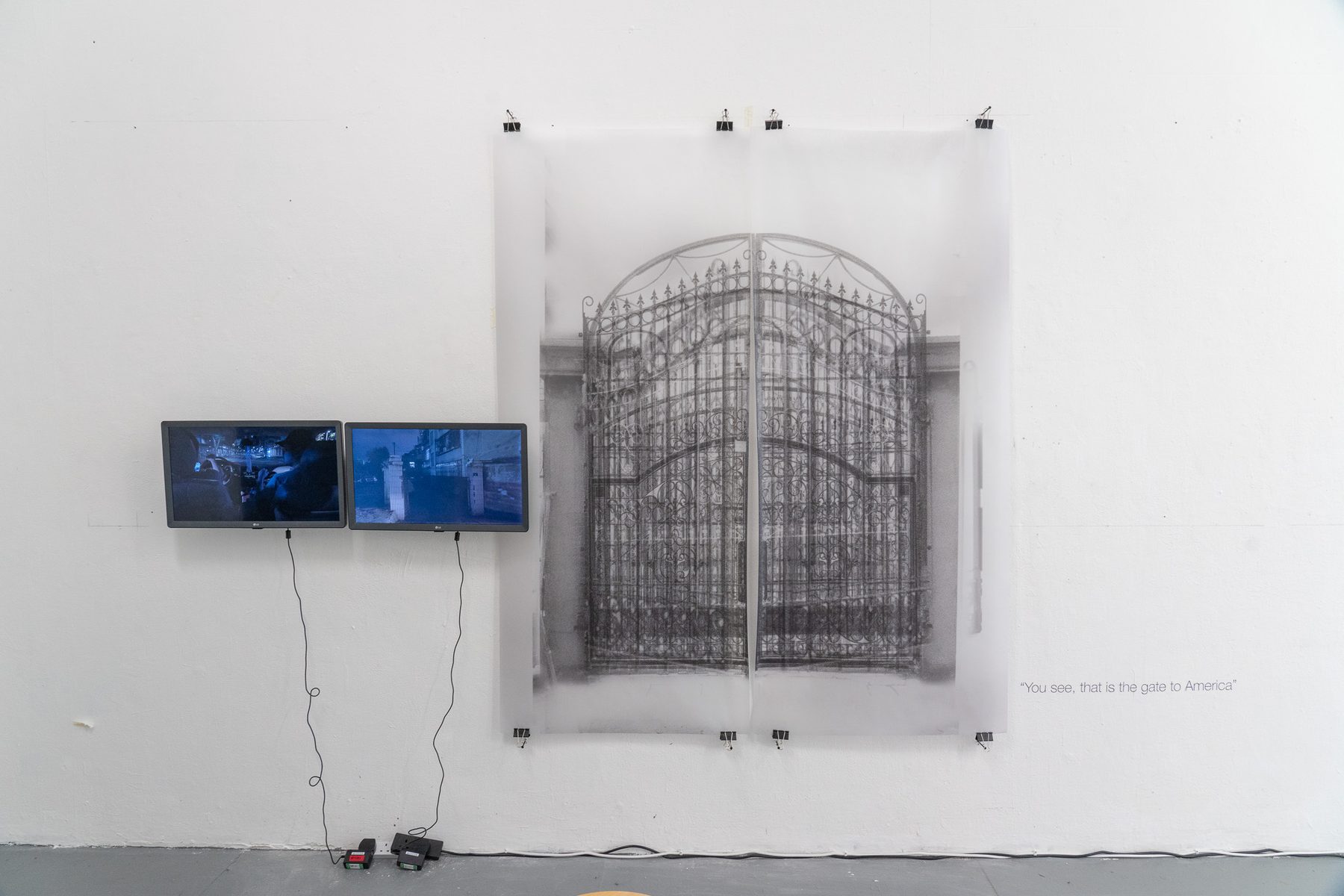
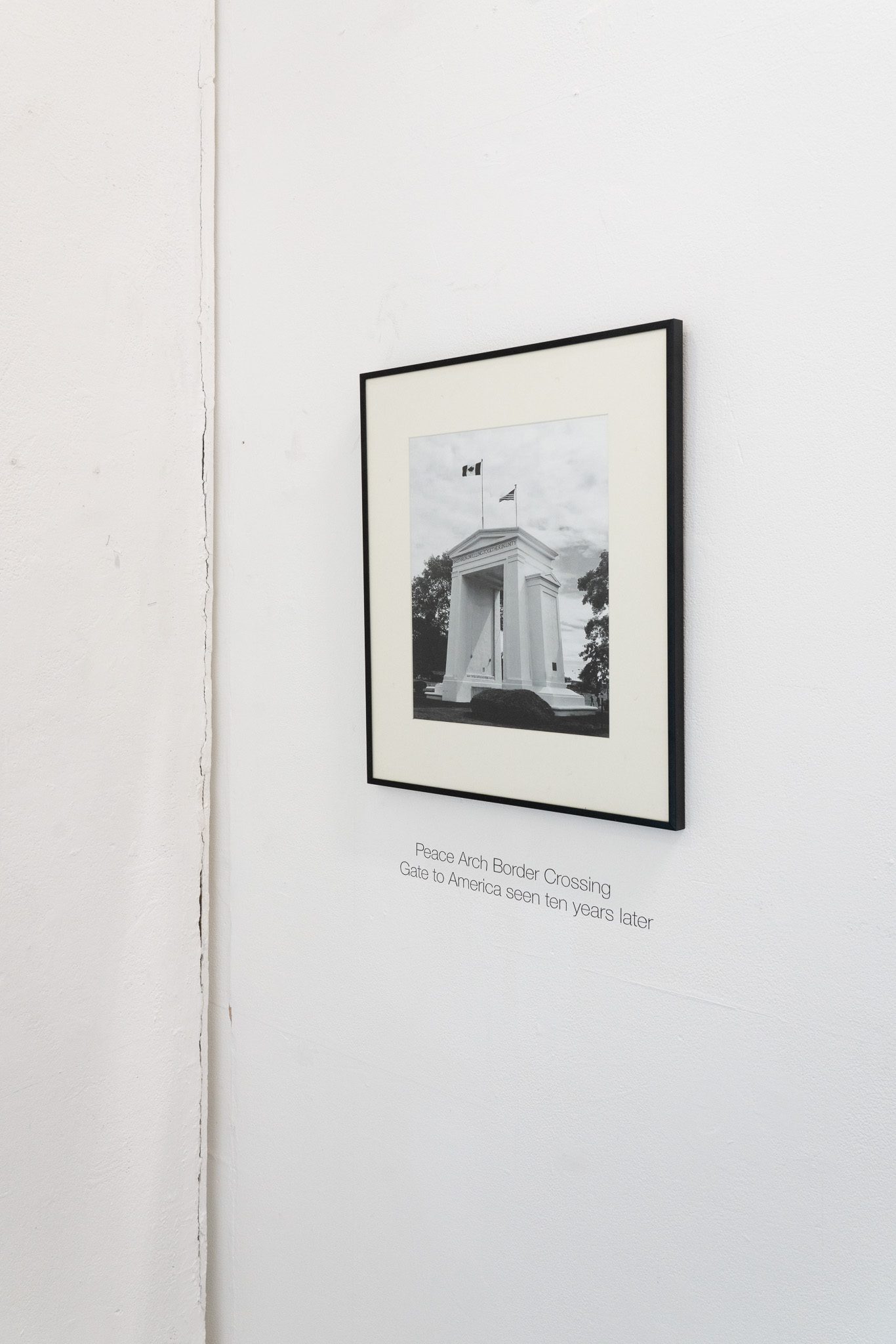
The ride began. It was late. The darkness inside the Mercedes gradually thickened around me, carrying the cold, the smell of leather, and cigarette smoke blown back by the wind. Before long, a double iron gate loomed in the pale sweep of the headlights. The driver lifted a finger toward the gate while keeping both hands on the wheel: “See that gate?” he said. “That is the way to America.” I could not tell whether he was teasing. He then eased the car into a turn, and the iron gates drifted toward the edge of my sight, slowly receding into the dark.
My American dream was over.